
Webs and Populations Managed for Clean Structures
Spider Control in Abilene for properties with recurring web buildup and indoor spider activity
Texas climate conditions support diverse spider species that build webs across entryways, windows, eaves, and outdoor living spaces, while hunting spiders move indoors seeking prey insects. Kemper Pest Control has managed spider populations and prevented web accumulation for residential and commercial properties since 1984, treating both the spiders themselves and the insects that attract them to structures. The locally owned and operated approach means straightforward treatment without corporate call centers or high-pressure sales tactics common with larger pest control companies.
Comprehensive treatment targets web-building species on exterior surfaces where they anchor webs to siding, soffits, light fixtures, and landscaping, while also addressing cracks and gaps where hunting spiders like wolf spiders and brown recluses enter buildings. The treatment approach considers that spiders colonize areas with abundant prey insect populations, so controlling the food source reduces long-term spider pressure on the structure.
Request a property evaluation to identify web accumulation areas and entry points where spiders access interior spaces.
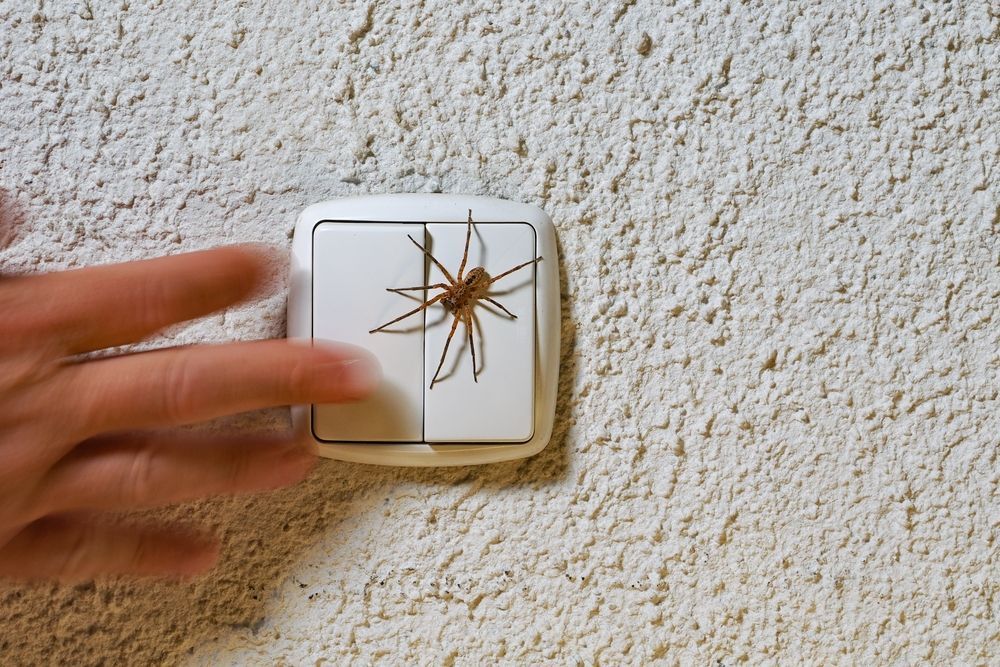
What You Notice Once Spider Treatment Is Finished
Spider management begins with physically removing existing webs from treated surfaces, then applying residual products to eaves, door frames, window sills, and foundation areas where spiders anchor new webs or travel when entering structures. Interior treatment focuses on baseboards, closets, storage areas, and other spaces where hunting spiders shelter during daylight hours.
Within days of treatment, new web construction stops in previously affected areas, existing spider populations decline as they contact treated surfaces, and you no longer see spiders crossing interior walls or ceilings at night. Kemper Pest Control backs this work with a workmanship guarantee, ensuring results meet your expectations rather than moving to the next job without verifying the problem is solved.
Spider control differs from one-time treatments because populations recolonize from surrounding areas if prey insects remain abundant or if webs are not physically removed before applying residual products. The family business model means the same technicians return for follow-up service rather than sending different crews unfamiliar with your property's specific spider pressure points.
Common Questions About This Service
Property owners typically ask about treatment methods, how long results last, and what happens with particularly stubborn spider populations around their buildings.
What happens to existing webs during treatment?
Technicians physically remove visible webs from treated surfaces using brushes or web removal tools before applying residual products, because spiders will reuse existing web anchor points if the structure remains in place.
How does treatment address both web-building and hunting spiders?
Web-building species contact residual products applied to surfaces where they anchor webs, while hunting spiders encounter treated baseboards, thresholds, and cracks as they move through structures searching for prey insects.
Why do spiders return to certain areas even after treatment?
If exterior lighting attracts flying insects at night or if structural gaps allow continuous spider entry from surrounding vegetation, populations will recolonize treated areas, which is why identifying and addressing these conditions matters as much as the chemical application itself.
When should treatment happen relative to seasonal spider activity in Abilene?
Spider populations peak during warmer months when insect prey is most abundant, but treating before populations build in early spring prevents heavy web accumulation during peak season.
What coverage does the workmanship guarantee provide if spiders return?
The guarantee covers re-treatment of affected areas at no additional charge if spider activity continues beyond expected timeframes, ensuring customer satisfaction without creating financial problems or requiring new service agreements.
Kemper Pest Control has addressed spider problems for Texas property owners for 40 years, applying the same practical approach to every property regardless of size or spider species involved. Schedule comprehensive treatment to eliminate current populations and prevent web buildup in high-traffic areas.